

Winning Online Selling Strategies for 2024
Introduction
Welcome to the digital future – a landscape where online selling transcends traditional business models, becoming a competitive arena for the most astute and forward-thinking players.
As we stand at the threshold of 2024, we’re not just flipping a page in the calendar; we’re stepping into a pivotal chapter in the e-commerce narrative. In this realm, merely being good isn’t enough. Excellence is the baseline, and groundbreaking innovation is the currency of success.
The e-commerce market, expected to balloon to $6.5 trillion by the end of 2023, signals not just growth but a revolution in consumer behavior and market dynamics. This unprecedented expansion, growing at an annual rate of 22%, demands a strategy that’s both agile and prescient.
Here, we’ll equip you with more than just strategies; we’re handing you the crystal ball of e-commerce foresight. This guide is your roadmap to not just navigating but dominating the 2024 e-commerce landscape.
From leveraging cutting-edge technology to tapping into uncharted market segments, we’ll uncover tactics that don’t merely chase trends – they set them.
In 2021, Shopify reported that 73% of shopping carts were abandoned before purchase. This startling statistic isn’t just a number; it’s a clarion call for e-commerce platforms to revolutionize their approach to customer engagement and retention.
Your mission for 2024 is clear: transform these abandoned carts into completed purchases, turning potential losses into unprecedented gains.
Understanding Your Audience in 2024

In the dynamic world of 2024’s online marketplace, understanding your audience isn’t just part of the strategy – it’s the cornerstone of e-commerce success.
The rapidly changing consumer landscape demands a deep dive into the psyche of your audience, requiring a blend of data-driven insights and empathetic engagement.
The Power of Personalization: According to a survey by Epsilon, 80% of consumers are more likely to purchase when brands offer personalized experiences.
This staggering figure isn’t just a trend; it’s a loud and clear message from consumers craving tailored interactions. In 2024, personalization is not a luxury – it’s a necessity.
Leveraging Data Analytics: Data is the new oil in the digital economy. As per a report by McKinsey, companies that utilize consumer behavior data outperform peers by 19% in sales growth.
This isn’t just about collecting data; it’s about decoding it to understand evolving consumer preferences and behaviors. For instance, a case study on Amazon’s recommendation system shows how leveraging customer data can boost sales by up to 35%.
Segmentation and Targeting: Gone are the days of one-size-fits-all marketing. In 2024, effective audience segmentation is key. A Harvard Business Review study highlighted that personalized email campaigns can increase sales by up to 10%.
Understanding various customer segments, from Gen Z’s tech-savviness to Millennials’ value for sustainability, is critical in crafting messages that resonate.
Predictive Analysis: With AI and machine learning, predictive analytics will take center stage in 2024. This technology, as shown in a case study by Netflix, can lead to a 75% reduction in customer churn.
It’s about anticipating needs and curating experiences that not only meet but exceed customer expectations.
Emotional Connection: Beyond the data and technology, forging an emotional connection with your audience is vital. A study by the Journal of Consumer Research found that customers emotionally connected with a brand have a 306% higher lifetime value.
In 2024, successful brands will be those that create stories, experiences, and values that deeply resonate with their audience.
Revolutionizing Marketing Strategies

In 2024, the art of marketing in the e-commerce sphere is about much more than just selling products; it’s about crafting compelling narratives that resonate deeply with your audience.
This section delves into the pivotal role of content, the power of storytelling, and the evolving landscape of digital platforms.
Content is King, but Context is Queen: As Bill Gates famously said, “Content is king”, but in 2024, context is equally crucial. According to a HubSpot report, content marketing generates three times as many leads as traditional outbound marketing but costs 62% less.
Yet, the key to success lies not just in creating content but in delivering the right content to the right audience at the right time.
Storytelling that Resonates: Storytelling isn’t just an art; it’s a strategic tool. A Stanford study showed that stories are remembered up to 22 times more than facts alone. In 2024, it’s about creating narratives that not only inform and entertain but also connect on an emotional level, turning your brand story into a customer journey.
The Renaissance of Email Marketing: Email isn’t dead; it’s evolving. With personalization and automation, email marketing continues to offer substantial ROI. A study by DMA found that for every $1 spent, email marketing generates $42 in return.
In 2024, the focus is on hyper-personalized, behavior-triggered emails that feel less like a broadcast and more like a personal conversation.
Authenticity and Trust: In a digital era flooded with information, authenticity isn’t just a buzzword; it’s a survival tool. A survey by Stackla revealed that 86% of consumers say authenticity influences their decision on what brands they like and support.
In 2024, this means being transparent, genuine, and value-driven in every marketing message.
Social Media – The New Marketplace

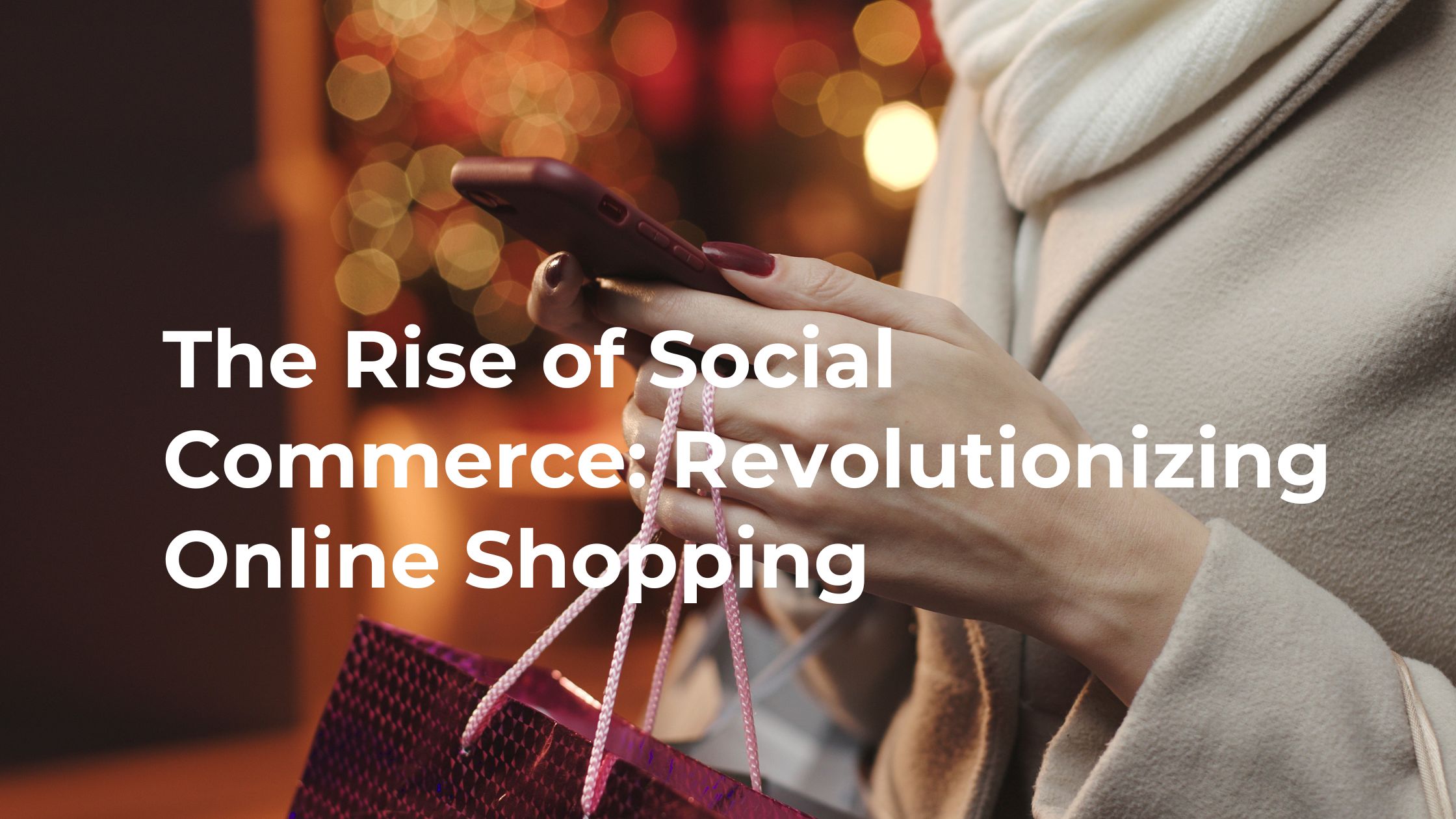
With platforms like TikTok, Instagram, and Facebook evolving rapidly, social media is no longer just a marketing tool; it’s a digital marketplace.
The integration of e-commerce capabilities within these platforms makes it easier for consumers to make purchases directly from social media, streamlining the customer journey from discovery to purchase.
Data from Sprout Social indicates that 90% of people buy from brands they follow on social media. In 2024, leveraging these platforms isn’t just about posting content; it’s about engaging in two-way conversations, building communities, and driving sales directly through these channels.
Instagram’s Role in Social Commerce: Instagram has redefined the shopping experience with its visually-driven platform, making it a powerhouse in the world of social commerce. It’s not just a place for sharing photos and stories; Instagram has seamlessly integrated shopping features, turning inspiration into instant action.
With features like shoppable posts, where users can tap on a product to see its price and a link to the product page, Instagram simplifies the path from discovery to purchase. The introduction of Instagram Checkout further streamlines this process, allowing users to buy products without leaving the app.
This integration of e-commerce into a highly visual and engaging platform not only benefits consumers with a convenient shopping experience but also provides brands with a powerful tool to showcase their products in a creative, relatable, and visually appealing manner.
The result is a shopping environment that feels less like a traditional online store and more like a natural extension of the user’s social browsing experience.
Facebook’s Evolution into a Shopping Hub: Facebook, once primarily a platform for social networking, has evolved into a significant player in the social commerce arena. By integrating marketplace features directly into its platform, Facebook has created a space where businesses can set up shop and connect with customers right where they are socially engaged.
The platform’s extensive user base provides a vast audience for businesses, ranging from local startups to global brands.
Facebook Shops, a feature that allows businesses to create customizable digital storefronts on their Facebook pages, has been a game-changer.
It enables consumers to browse and purchase products directly on Facebook, making the shopping experience more integrated and social.
Additionally, Facebook’s powerful targeting capabilities allow businesses to reach potential customers based on their interests, behaviors, and demographics, making it an effective platform for personalized marketing.
This transformation of Facebook into a shopping destination exemplifies how social media platforms are blurring the lines between social networking and e-commerce, creating new opportunities for both consumers and businesses.
TikTok – The New Amazon Marketplace: Originally famed for its short-form video content, is rapidly evolving into the new Amazon Marketplace, reshaping the e-commerce landscape.
This transformation is driven by the platform’s unique blend of entertainment and shopping, known as “social commerce.” Unlike traditional online marketplaces, TikTok leverages its massive, engaged audience by integrating shopping experiences directly into entertaining videos.
This seamless blend of content and commerce not only captivates users but also offers a more organic and interactive shopping experience.
Brands and creators are now harnessing TikTok’s powerful algorithm to showcase products in a more relatable and engaging way, leading to higher conversion rates.
This shift marks a significant change in consumer behavior, where impulse buying is fueled by viral trends and user recommendations, making TikTok a formidable competitor in the online retail space.
Leveraging Social Media for Enhanced Customer Interaction

Building Communities and Conversations: In 2024, social media won’t be just a tool; it’s a thriving ecosystem where brands can foster communities, engage in meaningful dialogues, and elevate customer experiences.
This section explores how to effectively use different social media platforms to build relationships and create a sense of community.
Diverse Platforms, Diverse Strategies: Each social media platform has its unique language and audience. For instance, Instagram’s visual appeal is perfect for lifestyle and design-centric brands, while LinkedIn’s professional network caters to B2B relationships.
A study by the Pew Research Center highlights the varied demographic profiles of these platforms, underscoring the need for tailored approaches.
Video content continues to dominate social media in 2024: According to a report by Cisco, video content will account for 82% of all internet traffic by 2022. Platforms like TikTok and YouTube aren’t just channels for content distribution; they’re powerful tools for storytelling, product demonstrations, and customer engagement.
Live streaming and Real-Time Engagement: The trend of live streaming and real-time interaction continues to grow. Platforms like Twitch and Instagram Live offer unique opportunities for brands to connect with their audience more personally and immediately.
A report by Livestream revealed that 80% of audiences prefer live video from a brand to social posts.
Social Listening for Customer Insights: Social listening tools will become more sophisticated by 2024, allowing brands to monitor and analyze conversations about their products and industry.
This isn’t just about tracking mentions; it’s about gaining insights into customer needs, sentiments, and trends, as shown in a case study by Brandwatch on consumer behavior analysis.
Influencer Partnerships for Enhanced Reach: Influencer marketing remains a vital component of social media strategy. Collaborating with influencers who align with your brand values can significantly extend your reach. According to a Business Insider report, influencer marketing is set to become a $15 billion industry by 2022, highlighting its continued relevance.
E-commerce in a Time of War

As 2024 unfolds, e-commerce businesses face a new set of challenges and opportunities in a world marked by geopolitical tensions and uncertainties. This section addresses how to adapt and thrive in the global market, despite the complexities of ongoing conflicts and economic shifts.
Understanding Geopolitical Impacts: The e-commerce landscape is not immune to global events. The ongoing situations in regions like Russia-Ukraine and Israel-Palestine have far-reaching impacts on global supply chains, consumer sentiment, and market access.
A report by the World Economic Forum highlights the need for businesses to be aware of these global dynamics and their potential ripple effects on e-commerce.
Building Resilient Supply Chains: The key to navigating these challenges lies in building resilient and adaptable supply chains. Diversifying suppliers and logistics networks can mitigate risks associated with geopolitical instabilities.
A study by McKinsey on supply chain resilience recommends a multi-pronged approach, including diversification of sourcing and investing in digital supply chain technologies.
Agile Marketing Strategies: In times of geopolitical tension, consumer behaviors, and sentiments can shift rapidly. Brands must adopt agile marketing strategies that can quickly respond to these changes. This means staying informed, being sensitive to global events in messaging, and being ready to pivot strategies as needed.
Sustainability and Ethical Practices: Amidst global conflicts, consumers are increasingly concerned about sustainability and ethical business practices. A Nielsen report found that 73% of global consumers would change their consumption habits to reduce environmental impact.
Aligning your e-commerce business with these values not only resonates with consumer sentiment but also contributes to a positive brand image.
Conclusion

As we conclude this exploration into the strategies for winning in online selling in 2024, let’s recap the essential insights and actions that can elevate your e-commerce journey in this dynamic and ever-changing landscape.
Embrace the Evolution: The e-commerce world is rapidly changing. Staying ahead means being adaptable, innovative, and ready to embrace new technologies and strategies. Remember, what worked yesterday may not work tomorrow.
Know Your Audience Deeply: Personalization and understanding your customers are not just strategies; they are the bedrock of your online success. Use data analytics, segmentation, and predictive analysis to create experiences that resonate deeply with your customers.
Content and Storytelling Are Crucial: Develop compelling content and engaging storytelling to connect with your audience. Authentic, value-driven narratives are key to building trust and loyalty.
Master Social Media Dynamics: Each platform has its unique strengths and audience. Use them wisely to engage with your community, leverage video content, and tap into the power of influencer marketing and social commerce.
Navigate Geopolitical Challenges with Agility: The global e-commerce landscape is influenced by geopolitical events. Building resilient supply chains, adopting agile marketing, and practicing cultural sensitivity are crucial for success.
Sustainability and Ethics Matter: In a world increasingly conscious of environmental and ethical practices, aligning your brand with these values can significantly impact your market standing and customer loyalty.
Continuous Learning and Adaptation: The only constant in e-commerce is change. Keep learning, experimenting, and adapting. Your ability to pivot and embrace new trends will define your success in 2024 and beyond.
Call to Action
Now, it’s your turn to take these insights and translate them into action. The future of e-commerce is bright and brimming with possibilities. Whether you’re a seasoned entrepreneur or just starting, these strategies can help you navigate the exciting journey ahead.
Don’t stop here. Keep exploring, keep innovating, and most importantly, keep pushing the boundaries of what’s possible in the online selling world.
Reach out for personalized advice, sign up for our newsletter for the latest trends and insights, and join our community of forward-thinking e-commerce enthusiasts.
Your 2024 e-commerce success story starts now. Let’s make it a remarkable one!