

5 Costly PPC Mistakes That Are Draining Your Budget (And How to Fix Them Fast)
Introduction
PPC advertising delivers fast results, but PPC mistakes can drain your budget quickly. When done right, PPC advertising works like a Swiss watch. It:
- Attracts high-quality leads
- Drives conversions
- Maximizes Return on Investment (ROI)
But if you set it and forget it, it’s like throwing money into an open fire. Your budget disappears and you have very little to show for it.
Many small and medium business owners don’t even realize they’re losing money. They’re bidding for non-relevant keywords, don’t optimize ads, or fail to track results. Such PPC errors waste money and damage results. Just like pouring water into a bucket with a hole.
Think of PPC as cooking a gourmet meal. You need to have the right ingredients: keywords, ad copy, audience targeting, and tracking. Remove one, and the flavors don’t come together.
The good news? These mistakes have simple fixes.
In this guide, you’ll discover five common PPC pitfalls that could be quietly wasting your budget. More importantly, you’ll get a quick solution. Whether you’re new to Google Ads or looking to improve performance, these tips will allow you to cut waste and boost ROI.
Let’s dive in.
PPC Mistake #1: Focusing on the Wrong Keywords
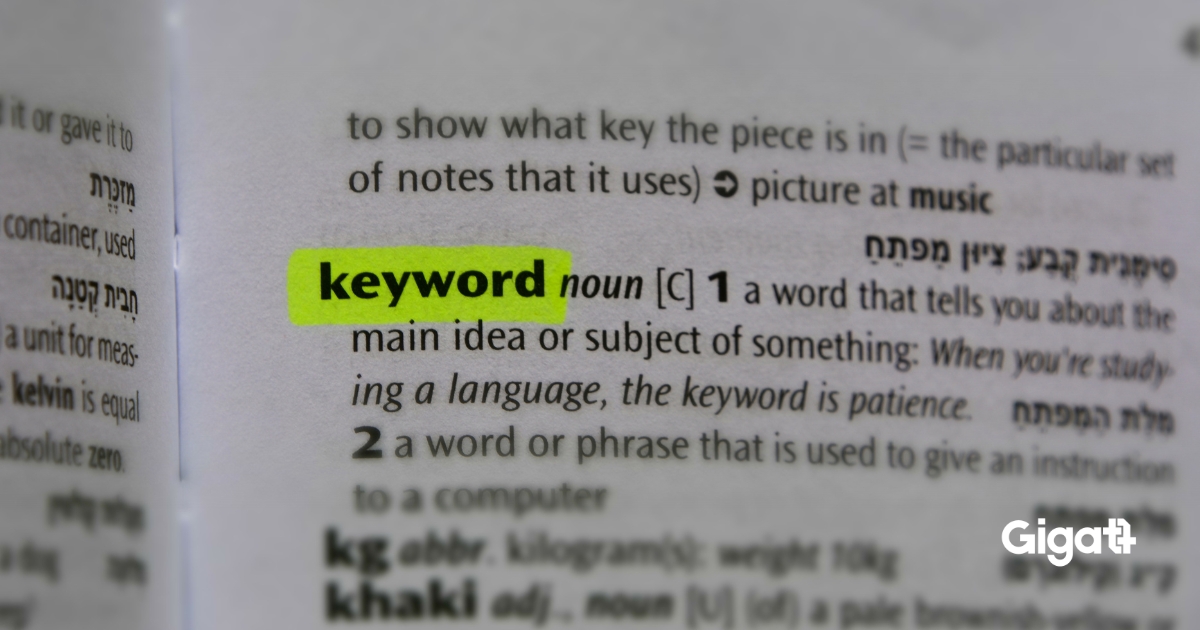
One of the biggest PPC mistakes is selecting the wrong keywords. It’s like casting your fishing net into the wrong side of the sea. You might catch a few fish, but most of whatever ends up caught in your net will be useless. If your ads appear for irrelevant searches, you will lose money on clicks that never convert. Even worse, bidding on highly competitive keywords might quickly deplete your budget, leaving you with little to show for it.
Why This Drains Your Budget
- Broad-match keywords attract the wrong audience. Let’s say you are the owner of a sourdough artisan bakery. And, you’ve set up your PPC ads using broad-match keywords like “bread.” Your ads will soon show up for queries like “gluten-free bread” and “how to make bread at home.” People click, but they don’t buy because they aren’t looking for what you offer.
- Not using negative keywords wastes money. It’s one of the most avoidable PPC mistakes. Are you making it? If you don’t filter out unrelated searches, your ads will appear for terms that won’t lead to sales. A dentist advertising “teeth whitening” without excluding words like “at-home” or “DIY” might end up paying for clicks from people looking for solutions they can do themselves.
- High-competition keywords cost more. Competing against big brands with deep pockets means higher costs. If a small coffee shop bids on “best coffee,” they’re going up against Starbucks and Dunkin’. Instead of ranking high, they end up overspending for clicks that lead nowhere.]
How to Fix It
✅ Choose better keywords. Try tools like Google Keyword Planner (free), Ahrefs, or SEMrush. Target less competitive long-tail, high-intent keywords. A small business should use “handmade leather shoes” to attract customers looking for something specific, instead of bidding on “shoes”.
✅ Use match types wisely. Avoid broad-match keywords. Instead, use phrase match (e.g., “best hiking boots”) or exact match (e.g., [buy waterproof hiking boots]) for more control.
✅ Add negative keywords. This stops your ads from appearing in irrelevant searches. If you sell luxury watches, include “cheap” and “knockoff” as negative keywords. Hence make sure you don’t waste money on bargain hunters.
✅ Refine and test. PPC is not a “set and forget” system. Regularly review search term reports to find unrelated searches and adjust your keyword strategy.
PPC Mistake #2: Ignoring Ad Relevance and Quality Score

Your PPC ad might look appealing, but if it doesn’t match what the searcher is looking for, it won’t perform well. Balancing creativity and strategy in your ad campaigns ensures relevance and higher conversions. Imagine clicking on an ad for “freshly roasted coffee beans”, only to land on a page selling coffee mugs. It feels frustrating and misleading, just like a stale cup of coffee when you expected something rich and aromatic.
Google uses Quality Score to determine how much you pay per click and where your ad appears. A low Quality Score means you’ll spend more money and get fewer conversions. It’s often a result of PPC campaign errors.
Why This Drains Your Budget
- Low Quality Score increases costs. Google charges more for ads that don’t align with search intent. It’s like being penalized for serving a cold meal at a restaurant. You still have to pay the chef, but customers leave unhappy.
- Irrelevant ads get fewer clicks. If your ad doesn’t clearly answer the searcher’s query, they’ll scroll past it like a bad movie recommendation.
- Bad landing pages hurt conversions. Imagine walking into a bakery that smells like freshly baked croissants, but the display case is empty. If your landing page doesn’t match your ad’s promise, visitors will leave just as quickly.
- A mismatch between ad copy, landing page, and user intent lowers conversions. It’s one of the many PPC PPC failures that cost businesses money. If your ad promotes “affordable running shoes” but leads to a luxury sneaker page, visitors will feel tricked and bounce.
How to Fix It
✅ Make your ad relevant. Use keywords in your headlines and descriptions to align with what people are searching for. If someone searches “best budget laptop,” your ad should say exactly that – don’t just write “great computers for sale.”
✅ Optimize your landing pages. Your page should match the ad in both message and experience. If your ad mentions “50% off organic skincare,” the landing page should reinforce that deal – preferably with a design that feels fresh and inviting, like the scent of citrus and eucalyptus in a spa.
✅ Use Dynamic Keyword Insertion (DKI). This tool automatically adjusts your ad’s text to match the search term, making it feel more personalized. For example, if someone searches “buy blue hiking backpack,” the ad can dynamically change to display those exact words, increasing the chances of a click.
✅ Ensure a seamless user experience. Your website should load quickly, look good on mobile, and guide visitors smoothly to a call-to-action. A slow, cluttered page is like walking into a store that’s too cramped and messy. It makes people leave before they even browse.
PPC Mistake #3: Poor Audience Targeting and Segmentation

Even the best ads will fail if they’re shown to the wrong people. Imagine running a high-end steakhouse and spending money to advertise to vegetarians. It doesn’t matter how great your ad looks. You’re simply reaching the wrong crowd. On the flip side, if you target too narrowly, you risk missing out on potential customers who would have been interested if only they had seen your ad.
Finding the right balance is key to avoiding PPC targeting mistakes. A broad audience means wasted clicks, but if your focus is too narrow, you may struggle to scale.
Why This Drains Your Budget
- Broad targeting leads to wasted clicks. If your audience is too general, you’ll attract people who aren’t interested in your product. It’s like handing out flyers for a luxury spa at a skate park – sure, someone might be interested, but most will toss it without a second thought.
- Ignoring Geo-targeting wastes money. Running ads in places where you don’t do business is like mailing invitations to a party that’s happening in a different country. No one’s showing up. Fortunately, it’s an easily avoidable PPC mistake.
- No retargeting means lost opportunities. Most visitors won’t convert on their first visit. If you don’t follow up, you’re like a coffee shop that never reminds past customers about their favorite order. They might come back. Or they might forget you exist.
How to Fix It
✅ Define your ideal audience. Who are they? Where do they live? What do they care about? A high-end fitness brand, for example, shouldn’t target “anyone interested in fitness” but rather “professionals looking for premium gym gear” or “athletes needing performance wear.”
✅ Enable geo-targeting. Only show ads in places where your business actually operates. A New York-based personal trainer doesn’t need to run ads in Los Angeles, unless they’re offering virtual training.
✅ Use retargeting. Ever visit a website and then see their ads everywhere? That’s retargeting, and it works. If someone browsed your products but didn’t buy, a well-placed ad can remind them.
✅ Segment your audience for better engagement. A skincare brand should advertise anti-aging products to an older demographic and acne treatments to younger customers. The more specific your message, the more it resonates.
PPC Mistake #4: Weak Ad Copy and Low CTR

Your ad copy is the first thing people see. It’s your one shot to grab attention and convince them to click. Weak copy is a PPC blunder that leads to low CTR and wasted budget. If it’s vague, boring, or too generic, people will scroll past it like a bad movie recommendation.
Think about it. When was the last time you clicked on an ad that felt robotic or didn’t speak to you personally? Exactly. People don’t engage with ads that sound like they were written by a corporate handbook. They click on ads that feel relevant, exciting, and personal.
Why This Drains Your Budget
- Generic ads get ignored. If your ad looks like every other one, people won’t even notice it. It’s like seeing another “SALE! 50% OFF!” sign on a storefront – you’ve seen it a hundred times before.
- No clear value proposition = fewer clicks. People don’t care about what you’re selling; they care about how it benefits them. An ad that says, “Best mattresses available now” is forgettable. But an ad that says, “Sleep like a baby—The mattress that relieves back pain in just one night”? Now you’ve got their attention.
- Weak CTAs lead to missed sales. If your ad doesn’t tell people what to do next, they won’t take action. Saying “Learn more” is vague. Instead, be direct and specific. Try: “Get 50% Off Today – Claim Your Deal Now.”
How to Fix It
✅ Write headlines that stand out. Use curiosity, emotion, or numbers to hook people in. Instead of “Try our protein bars”, say “The Only Protein Bar That Tastes Like Dessert (With 20g of Protein).”
✅ Highlight benefits, not just features. No one buys a drill because they want a drill. They buy it because they want a hole in the wall. Focus on what your product does for them. Instead of “Our skincare cream has hyaluronic acid,” say “Erase wrinkles overnight with our dermatologist-approved formula.”
✅ Use strong CTAs. Guide people on what to do next. “Claim Your Free Trial”, “Shop the Sale Before It Ends”, or “Download Your Free Guide” work better than “Click Here.”
✅ A/B test your ad variations. Even small changes in wording can double your CTR. Run two versions of an ad and see which one gets better results.
At the end of the day, great ad copy makes people feel something: excitement, curiosity, relief. If your ads don’t trigger a reaction, they won’t get clicks.
PPC Mistake #5: Neglecting Conversion Tracking and Optimization

Running PPC ads without tracking conversions is one of the biggest PPC missteps. Something like driving with your eyes closed. You might think you’re heading in the right direction, but in reality, you’re just guessing. And guesswork in advertising? That’s a fast way to burn through your budget with nothing to show for it. Therefore use analytical marketing techniques to ensure data-driven PPC optimization.
So, if you’re spending money on ads but not tracking what happens after people click, how do you know what’s working? You wouldn’t pour money into a vending machine that keeps eating your cash without giving you the snack, right? So why do the same with your ad budget?
Why This Drains Your Budget
- No tracking means no insights. If you don’t track conversions, you have no idea if your ads are actually bringing in sales or just racking up clicks from window shoppers. It’s like running a bakery and never checking which pastries sell best—you might keep making the wrong ones.
- Wasted spend on low-performing ads. Imagine running two ads: one that’s silently crushing it with conversions and another that’s getting clicks but zero sales. If you’re not tracking, you could be unknowingly pouring money into the loser.
- Missed opportunities to optimize–a common PPC strategy flaw. Without data, you’re flying blind. Maybe a small tweak like changing the call-to-action or adjusting the landing page – could improve conversions. But if you don’t track results, you’ll never know.
How to Fix It
✅ Set up conversion tracking. Use Google Ads conversion tracking and Google Analytics to measure which clicks turn into actual sales, sign-ups, or leads. This is non-negotiable if you want your PPC campaigns to work.
✅ Use heatmaps and session recordings. Tools like Hotjar or Microsoft Clarity show exactly where visitors drop off on your site. Are they clicking the ad but bouncing because the page loads too slow? Or is the checkout process confusing? This data helps you fix leaks in the funnel.
✅ A/B test landing pages and CTAs. Small tweaks can make a big difference. Something as simple as changing “Sign Up” to “Get Your Free Trial” can boost conversions. Always test different versions to see what works best.
At the end of the day, if you’re not tracking conversions, you’re not really doing PPC, you’re just hoping for the best. And hope doesn’t pay the bills.
How Gigatt Can Help You Stop Wasting PPC Budget

Running PPC ads without a clear strategy is like trying to fill a bucket full of holes. You keep pouring money in, but most of it leaks out before you see any real results. If you’ve been struggling with wasted ad spend, low conversions, or campaigns that just don’t deliver, you’re not alone. The good news? You don’t have to fix it all by yourself.
At Gigatt, we help small and medium-sized businesses stop the bleeding and start seeing real ROI from their PPC campaigns. Instead of letting your budget evaporate into thin air, we take a data-driven, results-focused approach to fix what’s broken and maximize what’s working.
📅 Ready to fix your PPC campaigns? Book a free intro call with us today, and let’s turn your ad spend into real revenue—instead of just another marketing expense.
Conclusion
PPC can be a powerful tool for growing your business—but only if done right. If your ads aren’t bringing results, you may be making one of these costly mistakes:
- Targeting the wrong keywords
- Ignoring ad relevance and Quality Score
- Poor audience targeting
- Weak ad copy and low CTR
- Not tracking conversions or optimizing campaigns
The good news? Every one of these PPC mistakes is fixable. A few smart changes can cut waste, boost conversions, and turn your PPC budget into profit, helping you avoid costly PPC failures.
Don’t let your ad spend disappear into thin air. Take action, refine your strategy, and make PPC work for you.
Author: Antonio Velinov, Operations Manager at Gigatt Co.